2020年8月21日 星期五

蝗蟲聚群秘密 隱形的信息素(化學物質)

中國科學家破解蝗蟲聚群秘密 有望為抗災鋪路

蝗蟲遮天蔽日,所到之處莊稼顆粒無收。圖片版權EPA
Image caption蝗蟲遮天蔽日,所到之處莊稼顆粒無收。
2020年伊始,東非、南亞等多國爆發了20年以來最嚴重的蝗災。重災區蝗蟲遮天蔽日,有些地區,蝗蟲過處莊稼顆粒無收。
一平方公里的蝗蟲群一天毀掉的糧食,足以可養活3萬5千人一年。
世界銀行估計,僅今年一年,蝗災就將造成65億英鎊(一英鎊約等於9元人民幣)的經濟損失。
毫無疑問,蝗蟲對農業、經濟和環境都構成重大威脅。破解蝗災原因一直是各國科學家不懈努力的重要課題之一。

蝗蟲聚群原因
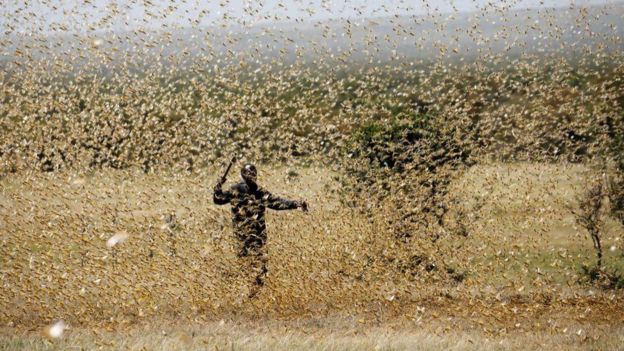
今年非洲的蝗災是20年以來最嚴重的。圖片版權REUTERS
Image caption今年非洲的蝗災是20年以來最嚴重的。
最近,中國科學院動物研究所康樂教授團隊研究發現,讓蝗蟲聚集成群的可能是一種隱形的信息素。正是這種化學物質讓一種本來無害的昆蟲重新組合,使其成為瘟疫般的蝗災。
而通過識別這種信息素,研究人員相信他們已經找到了對付蝗蟲的可能辦法。
康樂院士稱,他們的研究不僅揭示了蝗蟲聚群成災的奧秘,同時也使未來研製控制蝗災新方法成為可能。
康樂團隊發現和確立了一種叫4-乙烯基苯甲醚(4VA,4-vinylanisole)的蝗蟲群聚信息素。
這一研究成果發表在國際學術期刊《自然》上。

「臭味相投」

圖片版權EPA
Image caption蝗災可以遮天蔽日,所到之處莊稼顆粒無收。
在正常情況下,蝗蟲過著孤獨無趣的生活。它們大部分時間生活在乾旱的草原上。但偶爾也會聚集成群,形成蝗災。
康樂教授說,中國人把蝗災、洪澇以及旱災看作是人類歷史上三大主要自然災害。
而其中蝗災分佈的範圍最廣,因此也是最危險的天災之一,對全球農業構成嚴重威脅。
康教授和團隊研究了蝗蟲釋放的所有化合物,其中4-乙烯基苯甲醚引起特別注意。
他們發現,這種臭味很強的分子吸引了其他蝗蟲,當蝗蟲聚集成群時,又會產生更多的臭味,從而召集更多的蝗蟲入群。

三種措施
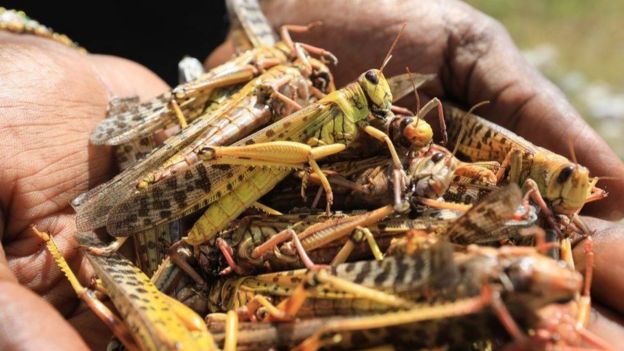
蝗災極其恐怖圖片版權EPA
Image caption蝗災極其恐怖
發表在《自然》雜誌上的研究結果還提出了利用這一新發現有助研製的三種治蝗措施:
第一,通過設置信息素陷阱讓蝗蟲自投羅網而滅亡;
第二,通過基因改良工程,讓蝗蟲失去接收信息素的受體。如果讓沒有受體的蝗蟲進入蝗蟲群成功繁殖,那就不會發生蝗蟲聚群現象,但這一高科技方法難度更大;
第三,找到可以阻擾受體接收這種信息素的化學物質。這樣就會使蝗蟲的嗅覺失靈,無法聚群。
美國洛克菲勒大學的神經生物學家沃斯哈爾(Leslie Vosshall)女士就此發表評論認為,最後一個辦法最有希望。
她表示,信息素的發現有助於找到化學解藥。果真如此,將有可能避免未來蝗災的發生。因為到目前為止,人們還未掌握任何有效治蝗手段。

2020年8月20日 星期四

Ronald Ross discovered the link between mosquitos and malaria transmission on 20 August 1897:

科學史著名論文....


Ronald Ross discovered the link between mosquitos and malaria transmission on 20 August 1897:
"The work, which was continued from 8 a.m. to 3 or 4 p.m. with a short interval for breakfast, was most exhausting, and so blinding that I could scarcely see afterwards; and the difficulty was increased by the fact that my microscope was almost worn out, the screws being rusted with sweat from my hands and forehead, and my only remaining eye-piece being cracked, while swarms of flies persecuted me at their pleasure as I sat with both hands engaged at the instrument.
/ ... /
The seventh dappled-winged mosquito was then successfully dissected. Every cell was searched, and to my intense disappointment nothing whatever was found, until I came to the insect’s stomach. Here, however, just as I was about to abandon the examination, I saw a very delicate circular cell apparently lying amongst the ordinary cells of the organ, and scarcely distinguishable from them. Almost instinctively I felt that here was something new.”
From the Nobel Lecture 1902 by Ronald Ross. We can highly recommend reading his lecture even though it's 90 pages long: goo.gl/yNNtSr
Image: The page in Ross' notebook where he recorded the "pigmented bodies" in mosquitoes that he later identified as malaria parasites.